Our Research Projects

A central goal in cancer research is to understand how tumor cells acquire and maintain genomic instability, a defining hallmark that drives tumor evolution and therapeutic resistance. By uncovering the molecular mechanisms that safeguard or disrupt genome integrity, such as errors in mitosis, defects in autophagy, and the pathways controlling chromosomal instability, we aim to identify new vulnerabilities that can be leveraged to develop more precise and effective cancer therapies.

How does autophagy–lysosome activity safeguard mitosis and prevent chromosomal instability?

Autophagy and lysosomes are central degradative pathways that maintain cellular homeostasis, yet their functions during mitosis remain largely unexplored. Our laboratory investigates how these pathways support the structural, metabolic, and quality‑control demands of cell division. By defining how autophagy and lysosomal activity protect mitotic progression, we aim to uncover previously overlooked mechanisms that safeguard chromosome segregation and prevent the emergence of chromosomal instability (CIN). This work positions degradative pathways as critical, and understudied, regulators of genome integrity, offering new angles for the development of CIN‑targeted cancer therapies.

Biomarkers of Chromosomal Instability

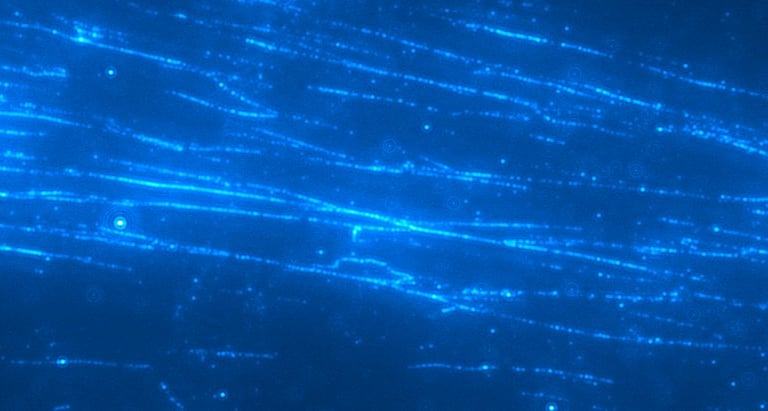
Our lab investigates how replication stress shapes CIN outcomes and how autophagy modulates this response. Severe replication stress drives senescence in untransformed cells, yet tumor cells often recover and resume proliferation, accumulating additional genomic alterations. We focus on the role of replication‑origin firing during this recovery and its therapeutic potential. In parallel, we explore how autophagy and lysosomes protect mitotic progression, connecting replication stress responses with CIN‑targeted treatment strategies.

How do cancer cells manage replication stress, and how does this process drive chromosomal instability?

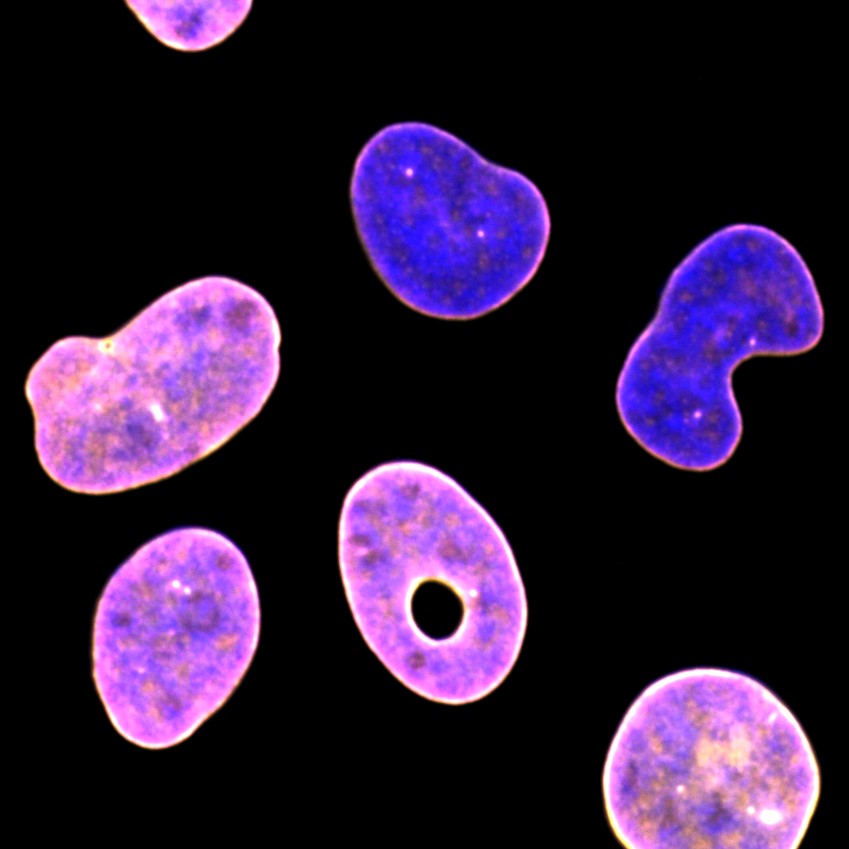
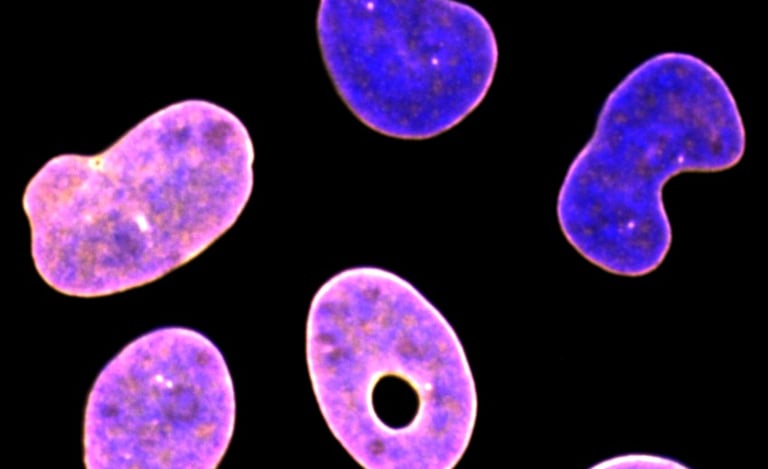
We characterize structural nuclear alterations as indicators of genome instability, with a special focus on the toroidal nucleus, a distinctive nuclear phenotype emerging from mitotic defects. We aim to establish this structure as a robust and accessible CIN biomarker for cancer research.

Funding

Decoding autophagy-mediated mitotic control for advanced cancer therapeutics

Reference: PID2024-155897OB-I00
Funding: Ministerio de Ciencia e Innovacion
Affiliate Institution: Universitat de Barcelona
From 01/09/2025 to 31/08/2028
PI: Caroline Mauvezin

Study of mitotic autophagy in cancer: a new therapeutic window

Reference: RYC2022-035576-I
Funding: Ministerio de Ciencia e Innovacion
Affiliate Institution: Universitat de Barcelona
From 01/09/2025 to 31/08/2028
PI: Caroline Mauvezin

Study of novel biomarkers for CIN-targeted breast cancer therapy (CALIBRATE)

Reference: LABAE222994MAUV
Funding: AECC Scientific Foundation
Affiliate Institution: Universitat de Barcelona
From 01/12/2022 to 30/05/2026
PI: Caroline Mauvezin

Cell Compartments: trafficking and signaling in health and disease (SGR)

Reference: 2017 SGR 01743
Funding: Ministerio de Economía y Competitividad (MINECO-JIN)
Affiliate Institution: Universitat de Barcelona
From 01/11/2021 to 31/10/2024
PI: Caroline Mauvezin

Study of the function of autophagy and lysosomes in mitosis and its implication to preserve from chromosomal instability to develop novel cancer combination therapy

Reference: PID2020-118768RJ-I00
Funding: Ministerio de Economía y Competitividad (MINECO-JIN)
Affiliate Institution: Universitat de Barcelona
From 01/11/2021 to 31/10/2024
PI: Caroline Mauvezin

Identification of a novel function of lysosomes in mitosis for cancer therapy

Reference: 799000
Funding: HORIZON 2020 Marie Sklodowska-Curie Actions
From 01/01/2019 to 31/12/2020
PI: Caroline Mauvezin


Technological Transfer

Evaluation of the efficiency of natural compounds for skin depigmentation based on their capacity to modulate autophagy

Reference: 311473
Funding: Bella Aurora Labs. S.A
From 15/12/2021 to 15/08/2022
PI: Caroline Mauvezin

Identification of compounds for skin depigmentation based on modulation of autophagy

Reference: 310921
Funding: Bella Aurora Labs. S.A
From 02/10/2020 to 02/02/2021
PI: Albert Tauler and Caroline Mauvezin